
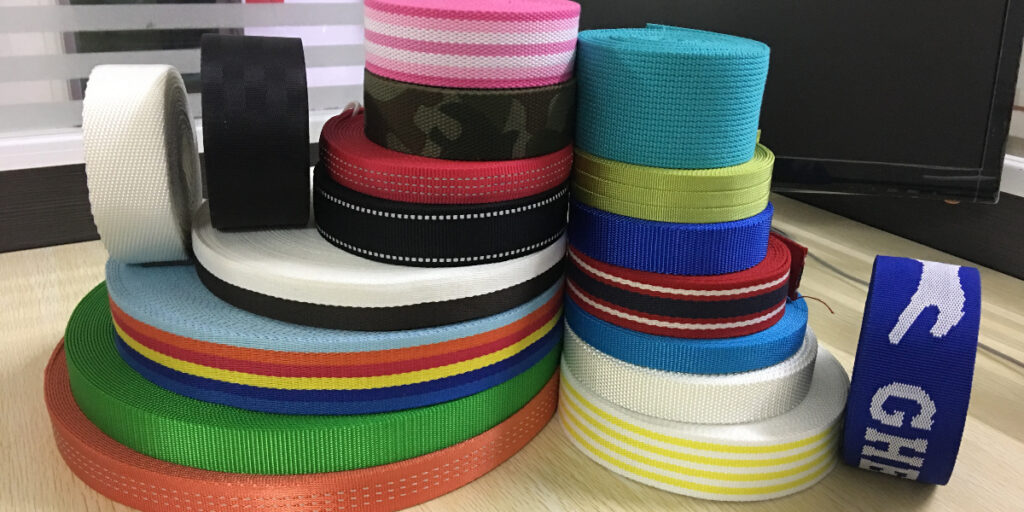
How to Identify High-Quality Niwar: A Buyer’s Checklist
When you’re choosing niwar for footwear, bags, furniture, or industrial use, the quality of the niwar plays a major role in durability, comfort, and overall product performance. However, with so many suppliers in the market, identifying premium-quality niwar can be confusing.
To make your buying process easier, here is a simple, practical, and reliable checklist to help you identify high-quality niwar every time.
1. Check the Material Type
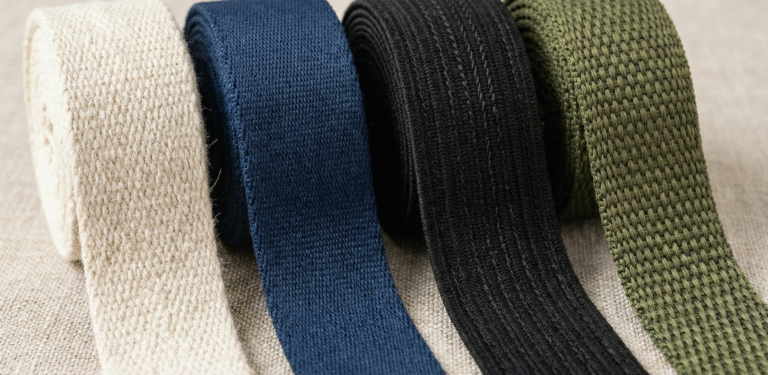
The first indicator of quality is the material used.
✔ Best materials:
-
Polyester Niwar – Strong, durable, water-resistant
-
Elastic Niwar – Flexible, smooth, best for sportswear and straps
-
Cotton Niwar – Soft, breathable, ideal for furniture and charpai
-
PP (Polypropylene) Niwar – Lightweight, affordable, good for general use
Tip: Premium applications like shoes and bags mostly use high-quality polyester niwar for maximum strength
2. Inspect the Weave Quality
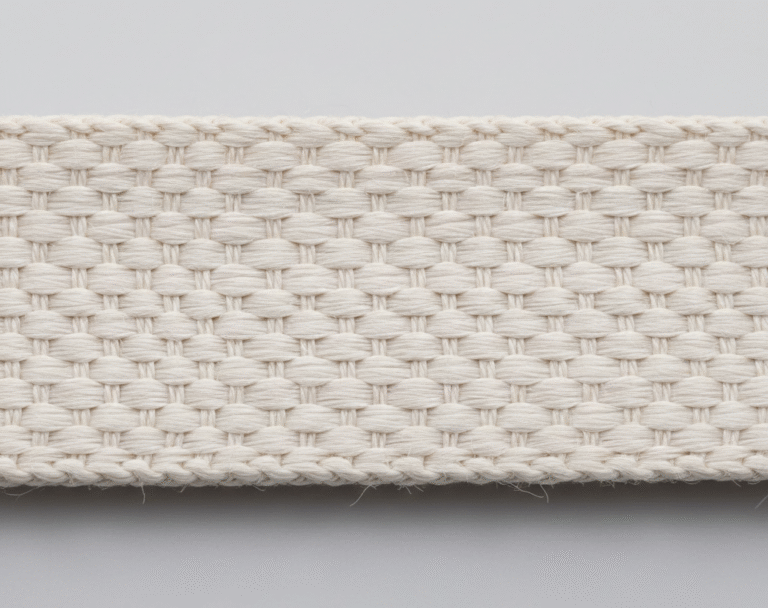
A tight and uniform weave ensures:
-
Higher strength
-
Better load-bearing capacity
-
Longer product life
Look for:
-
No gaps or mismatched patterns
-
Even stitching
-
Consistent thickness throughout
If the weave looks loose, the niwar may break or stretch over time.
3. Check the Denier & Thickness
The denier (fiber thickness) directly affects strength.
Higher denier = Stronger, more durable niwar.
For example:
-
Footwear & outdoor bags → High denier polyester
-
Furniture straps → Thick cotton/polyester
-
Lightweight craft products → Low/medium denier
Always ask the supplier for specifications before ordering in bulk.
4. Test the Strength & Stretch
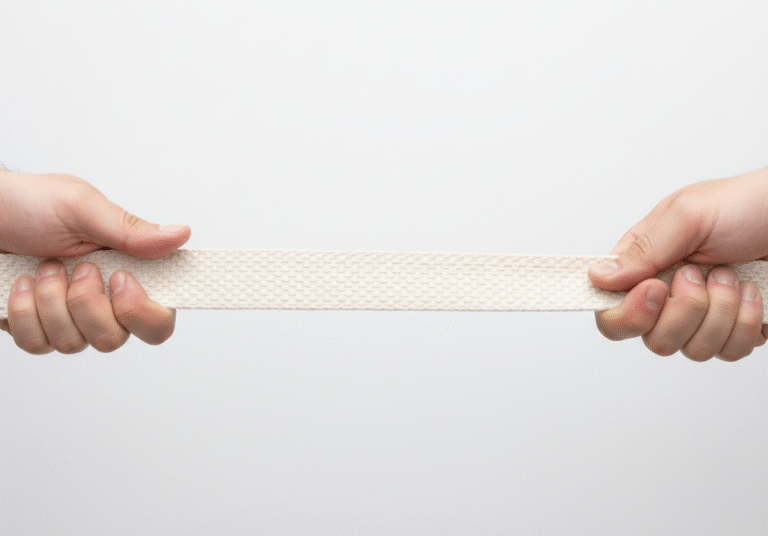
A simple pull test can tell a lot.
For quality niwar:
-
It should not tear or deform easily
-
Should maintain its shape even with heavy tension
-
Elastic niwar should stretch smoothly without losing elasticity
Poor-quality niwar shows:
-
Sudden tearing
-
Weak edges
-
Uneven stretch
5. Check the Color Quality
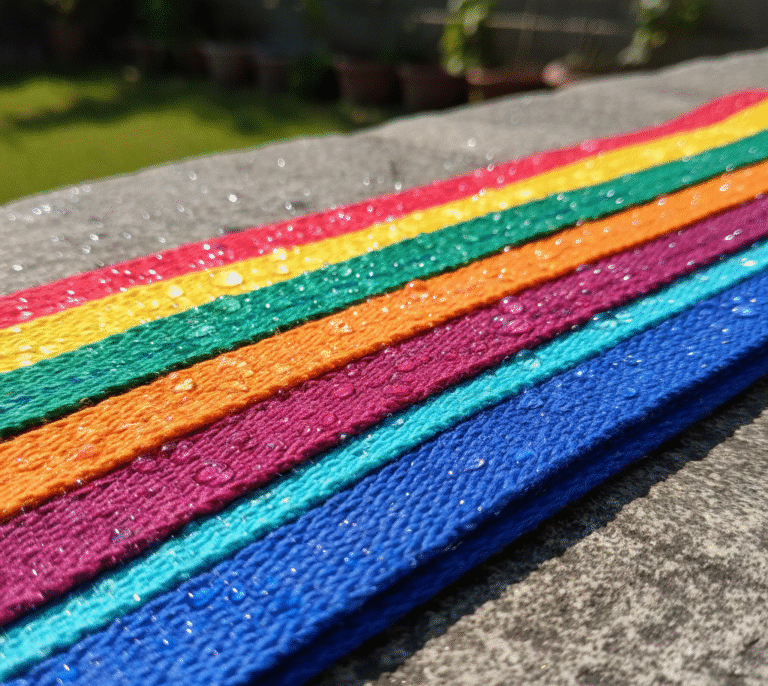
Good niwar uses colorfast dyes that don’t fade or bleed.
Test using:
-
A quick wet rub test
-
Sunlight exposure
-
Rubbing on white cloth
If the color leaves stains or fades instantly, avoid it.
6. Feel the Texture
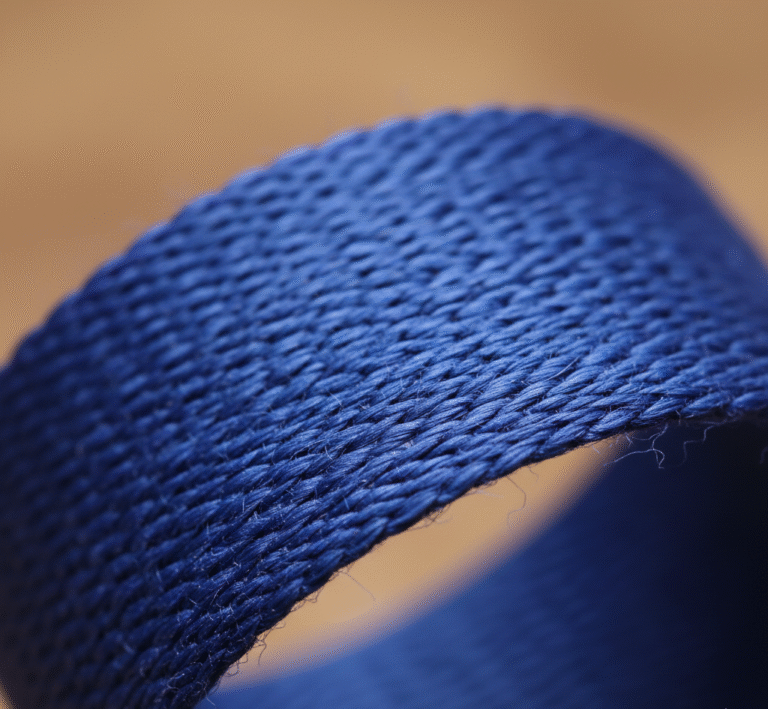
Premium niwar:
-
Feels smooth, not rough
-
Has no sharp edges
-
Doesn’t cause skin irritation
-
Shows a clean, high-finish look
Rough or poorly finished niwar often indicates cheap raw material.
7. Look for Consistent Width
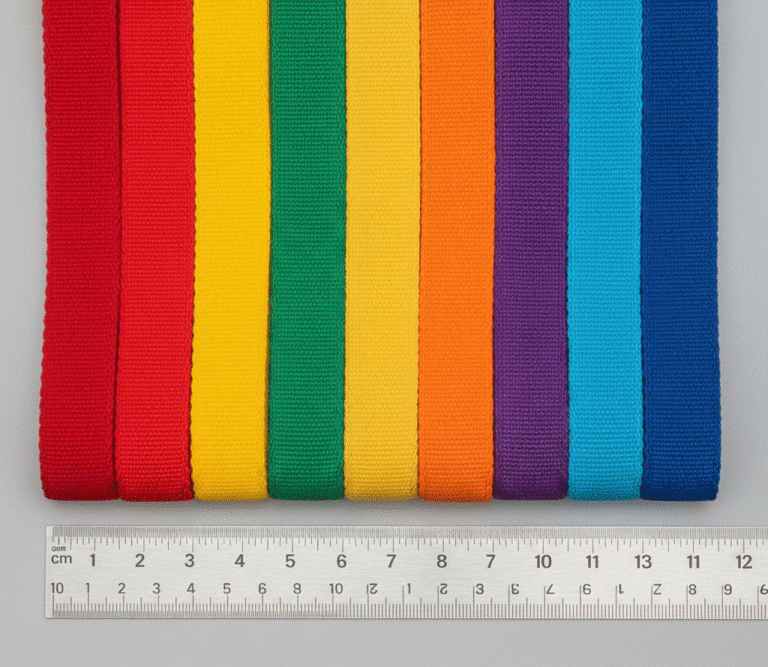
Measure the niwar width at different points.
Quality niwar maintains:
-
Exact width (e.g., 1 inch, 1.5 inch, 2 inch)
-
No tapering or expanding along the roll
Inconsistent width creates problems in cutting, stitching, and product fit.
8. Check Supplier Reputation
A good supplier is as important as good material.
Look for:
-
Customer reviews
-
Sample testing
-
Certifications
-
Transparency in specifications
Reliable manufacturers maintain constant quality across batches.
Conclusion
Identifying high-quality niwar becomes easy when you know what to look for. With this buyer’s checklist—covering material, weave, denier, finish, strength, texture, and supplier credibility—you can confidently choose niwar that enhances the durability and look of your final product. If you want niwar that offers strength, durability, and perfect finishing, DK Enterprises is your trusted partner. Contact us today for premium niwar solutions built for performance.